
All about WTA:
Frequently Asked Questions
Spirit of the West Adventures
Welcome to the Wilderness Tourism Association
-
The Wilderness Tourism Association of BC (WTA) is a member-based organization that represents and supports wilderness tourism operators throughout British Columbia. The WTA advocates for the industry, promotes responsible tourism practices, and helps ensure sustainable access to BC's wilderness areas. The WTA works to support operators through advocacy, industry collaboration, stewardship initiatives, education, and member services.
-
The WTA supports wilderness tourism operators in British Columbia by:
Advocating for industry interests
Participating in land-use and policy discussions
Supporting environmental stewardship
Promoting responsible tourism practices
Providing industry resources and education
Building connections across the tourism sector
Sharing member stories and opportunities
Our goal is to help ensure wilderness tourism remains sustainable, resilient, and valued throughout British Columbia.
The WTA works to support operators through advocacy, industry collaboration, stewardship initiatives, education, and member services.
-
Wilderness tourism contributes to local economies, supports jobs in rural and remote communities, and encourages the protection of natural and cultural values. Many wilderness tourism operators depend on healthy ecosystems, intact landscapes, and thriving wildlife populations. As a result, the industry often plays an important role in stewardship, conservation, and environmental awareness.
-
Visitors can explore the WTA Member Directory, found here, to discover wilderness tourism operators committed to responsible tourism practices throughout British Columbia.
-
Membership is open to a range of organizations involved in wilderness tourism, including tourism operators, accommodations, guides, Indigenous tourism businesses, and other industry partners. More information on membership can be found here.
-
Benefits may include:
Industry representation and advocacy
Networking opportunities
Educational events and webinars
Industry updates and resources
Marketing and promotional opportunities
Access to funding and business support information
Participation in stewardship and policy initiatives
-
The WTA works with government agencies, industry partners, Indigenous communities, and stakeholders to represent the interests of the wilderness tourism sector.
-
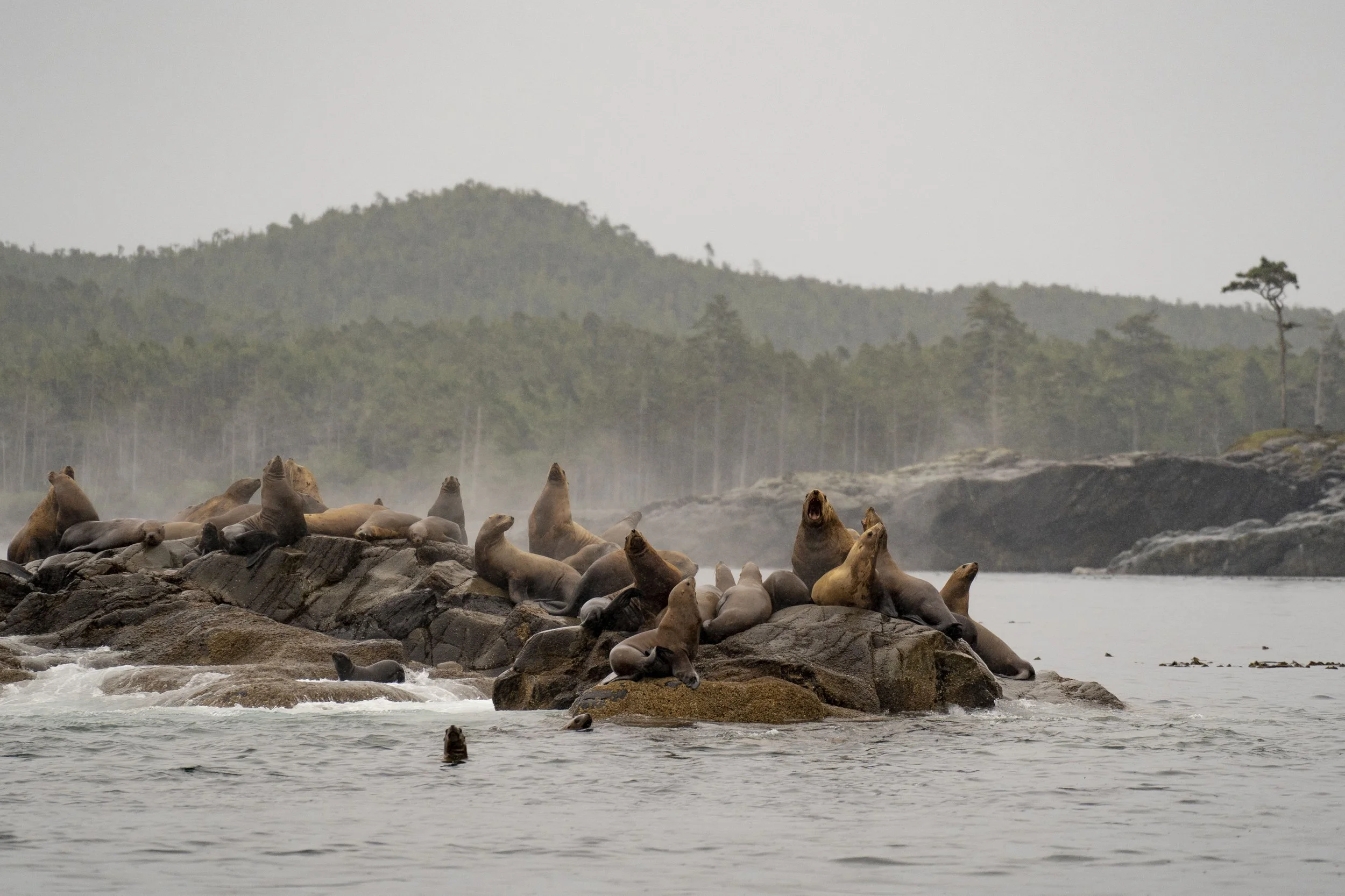
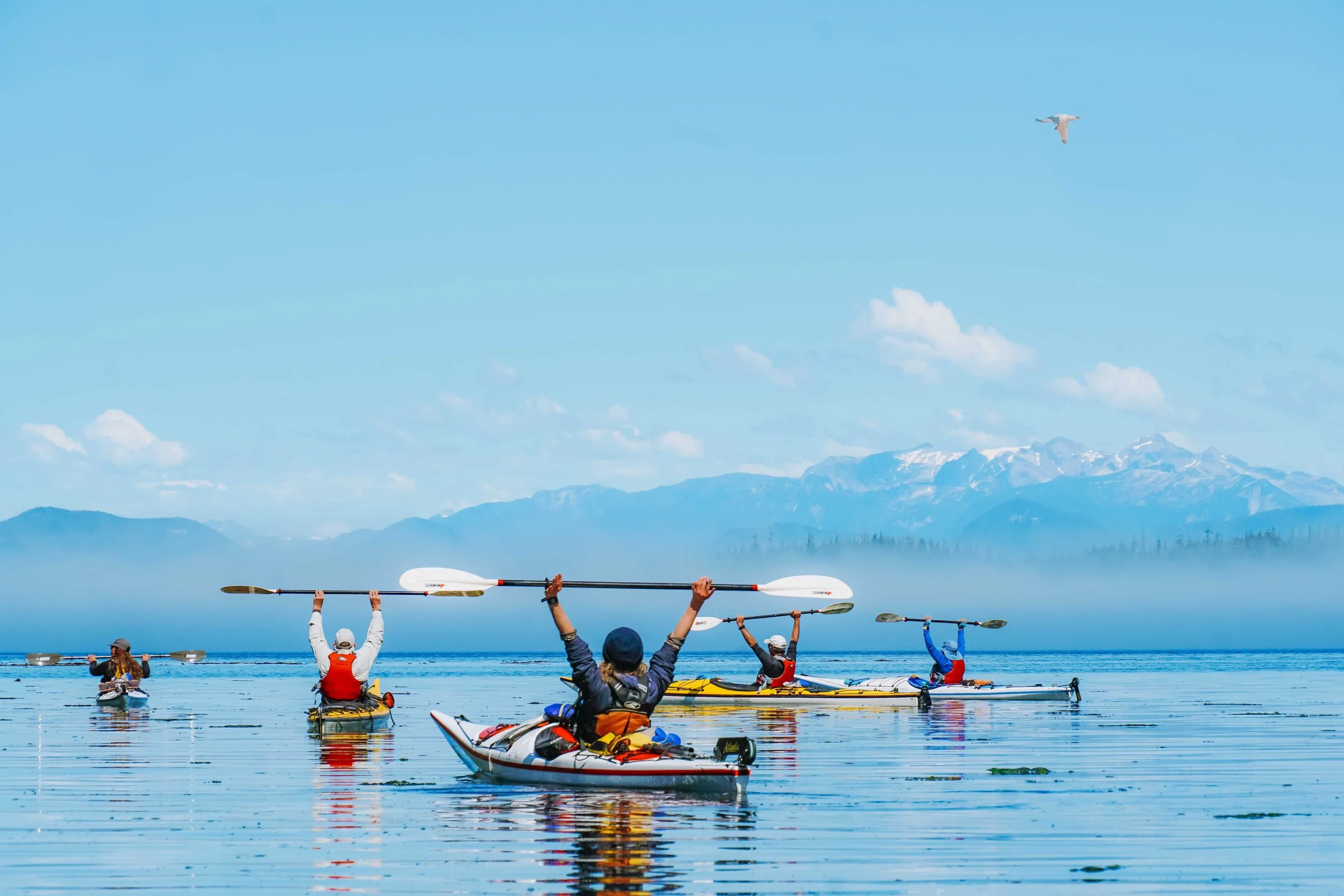
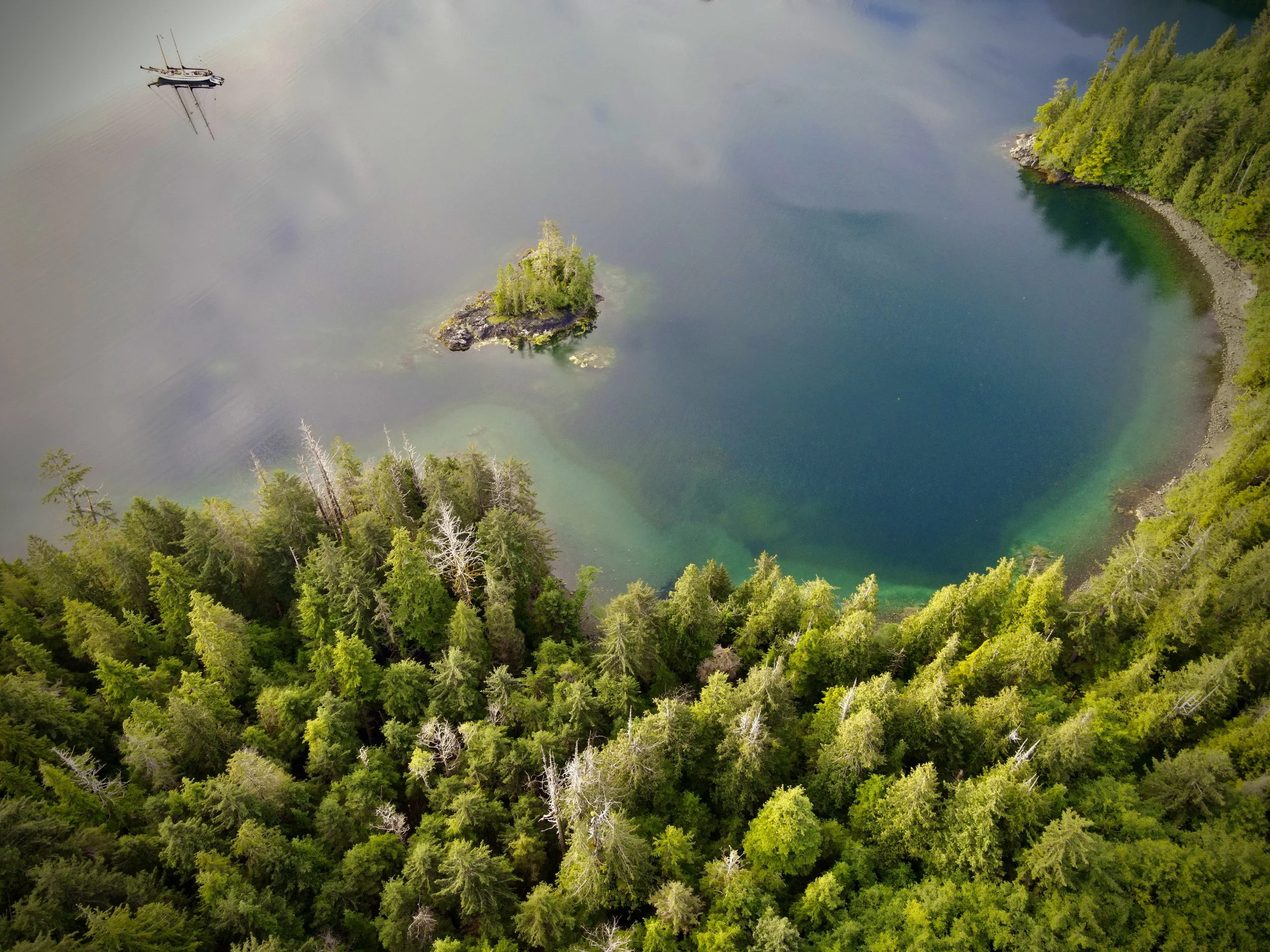
![]()
Bex Dawkes for Spirit of the West Adventures
-
![]()
Kevin Smith for Maple Leaf Adventures
-
![]()
Mosaic Earth
-
![]()
Jo-Anne Johnson for Wildcoast Adventures
-
![]()
Teesh Hargreaves for Spirit of the West Adventures
-
![]()
Echo Valley Ranch


-
Stewardship is a core value of the WTA. We support initiatives that encourage responsible tourism, environmental sustainability, conservation, climate resilience, and the long-term health of the lands and waters where our members operate.
We also work with governments, communities, Indigenous partners, and industry stakeholders on issues affecting wilderness tourism and natural resource management.
-
The WTA recognizes the important role Indigenous communities, businesses, and knowledge systems play in shaping tourism throughout British Columbia. We support relationship-building, collaboration, learning opportunities, and partnerships that contribute to a stronger and more inclusive tourism industry.
-
Sustainable tourism generally focuses on minimizing harm and maintaining environmental, social, and economic resources over time.
Regenerative tourism goes a step further. It seeks to actively improve the wellbeing of ecosystems, communities, and cultures through tourism activities and partnerships.
In simple terms:
Sustainable tourism aims to do less harm.
Regenerative tourism aims to create positive impact.
Both approaches are important and often work together.
-
Regenerative tourism can take many forms depending on the destination and community.
Examples may include:
Supporting Indigenous-led tourism and cultural revitalization
Habitat restoration and conservation initiatives
Tourism experiences that contribute to citizen science or environmental monitoring
Partnerships that support local economic development
Visitor education programs that foster stewardship
Tourism projects designed around community priorities and local knowledge
There is no single model of regenerative tourism. The approach is often place-based and shaped by local needs and values.
-
Funding opportunities vary throughout the year and may include grants, loans, wage subsidies, training programs, accessibility funding, marketing support, and regional economic development programs.
The WTA maintains resources to help members identify funding opportunities relevant to wilderness tourism operators. These can be found in the Member Resource Hub, here.
-
The best way to stay informed is by subscribing to WTA communications, following @wildernesstourismassociation on social media, and becoming a member.
The WTA regularly shares updates on policy issues, stewardship initiatives, funding opportunities, industry news, and member stories.