
OCEAN ACIDIFICATION AND HYPOXIA

Navigate this page:

Welcome to the WTA’s landing page for all things Ocean Acidification and Hypoxia (OAH).
Here you’ll find information on our citizen science research project, BC’s strategy to study and combat OAH, the state of research on this vital topic, and additional resources to learn more.
What is Ocean Acidification and Hypoxia?
What processes are at work?
Ocean acidification and hypoxia are two closely connected changes affecting marine ecosystems, particularly in coastal waters. As the ocean absorbs carbon dioxide (CO₂) from the atmosphere through a natural process called air–sea gas exchange, chemical reactions in seawater lower its pH, making the water more acidic and reducing the availability of carbonate ions that many marine organisms use to build shells and skeletons.
Hypoxia refers to low dissolved oxygen concentrations in seawater. It can develop through a combination of natural ocean processes and human influences, including warming temperatures, changes in ocean circulation, and the decomposition of organic matter. These changes can affect marine species, alter ecosystem function, and place increasing pressure on coastal environments.
Because the processes that drive acidification and oxygen loss are often interconnected, they are frequently studied together.
Human Influences
These issues are often intensified by human activities on land. Nutrient runoff from agriculture, wastewater, and urban development enters coastal waters and can fuel large phytoplankton blooms. While phytoplankton are a natural and important part of marine food webs, excessive blooms can create problems. As plankton are consumed or die and decompose, these biological processes release additional CO₂ and consume oxygen, further increasing acidity and reducing oxygen levels. This creates a reinforcing cycle in which acidification and hypoxia can worsen one another.
Is BC especially vulnerable?
Natural ocean processes also contribute to these conditions. Along the BC coast, ocean circulation regularly brings deep, cold, nutrient-rich water to the surface. This upwelling supports highly productive marine ecosystems, but these deeper waters are also naturally lower in oxygen and higher in carbon dioxide. Changes in ocean temperature, circulation patterns, and seawater chemistry can therefore influence how severe hypoxia and acidification become in coastal areas. These interacting factors are creating growing challenges for marine life, fisheries, and coastal communities that depend on healthy ocean ecosystems.
In other words…
“Hot, sour, and breathless”
"Hot, sour, and breathless" is how ocean scientists described the potential future of our oceans more than a decade ago.
It describes three interconnected changes occurring in the world's oceans as a result of climate change.
As the ocean absorbs excess heat and carbon dioxide (CO₂) from the atmosphere, it becomes warmer, more acidic, and holds less oxygen. Together, these changes affect marine ecosystems, alter species distributions, and place additional stress on coastal environments and the communities that depend on them.
While the phrase remains a useful shorthand for the broad impacts of climate change on ocean conditions, research has increasingly shown that their effects vary across regions, seasons, and local ecosystems.
Along British Columbia's coast, where ocean conditions are shaped by complex currents, geography, and biological processes, scientists are working to better understand when, where, and why ocean acidification and hypoxia occur.
Learn about the science behind OAH
Video credit to Canada’s Ocean Acidification Community of Practice.

So what are we doing about it?
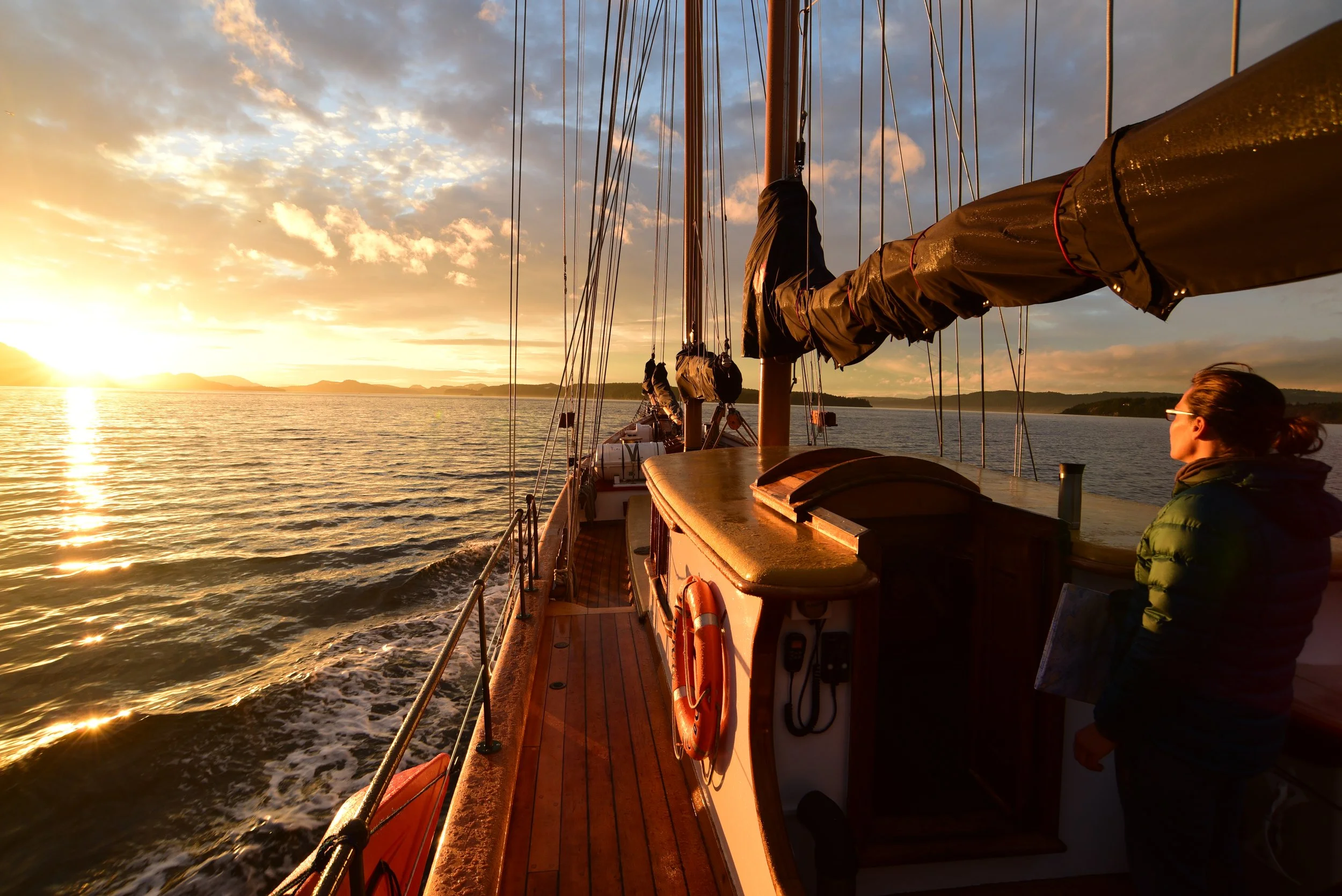
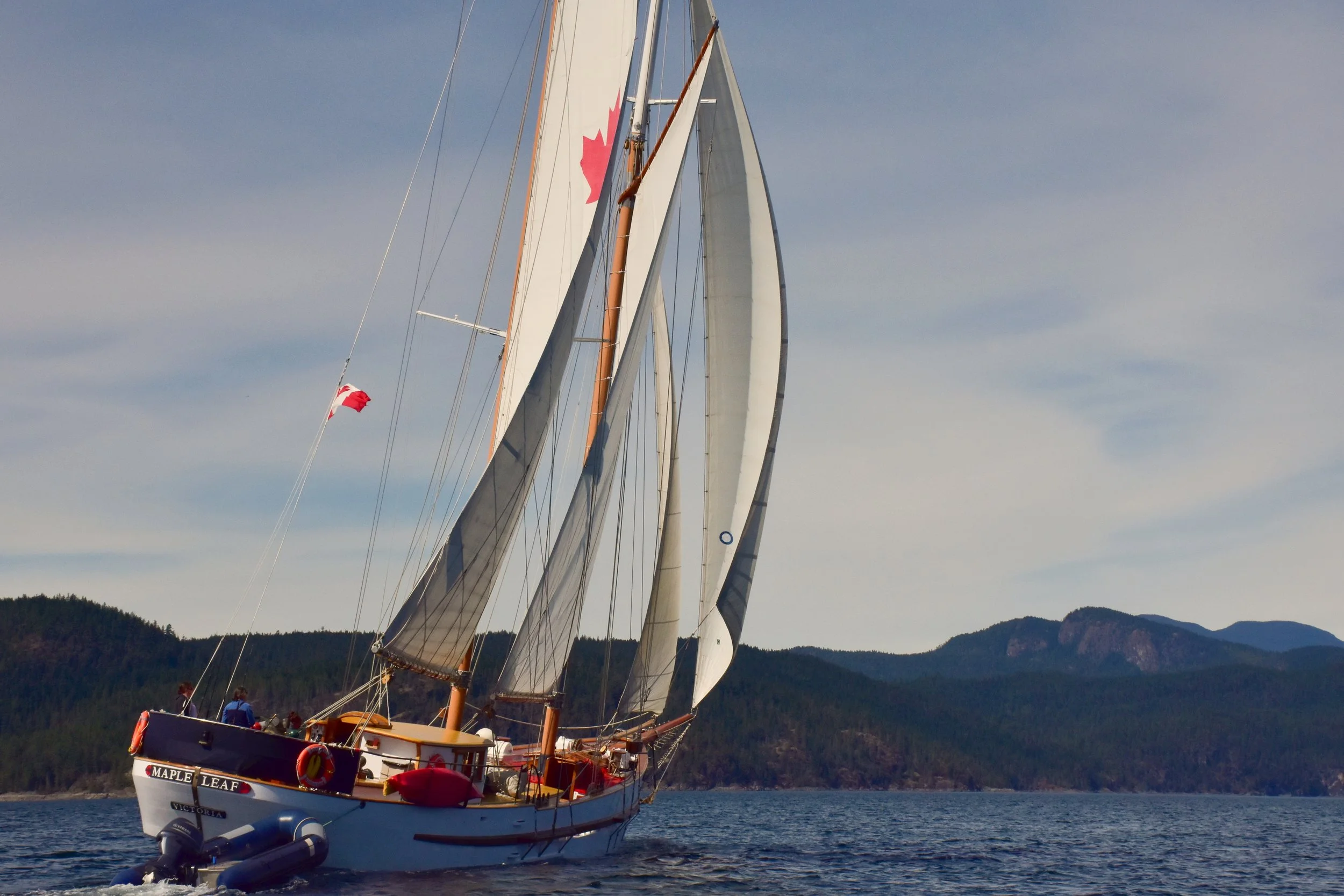
The WTA and members of the SSTOA have partnered to deliver a citizen science project that combines tourism, education, and research. By engaging guests in data collection, the project generates valuable, hyper-local information that helps researchers better understand ocean acidification and hypoxia along BC's coast, while advancing the WTA's commitment to stewardship, education, and advocacy.
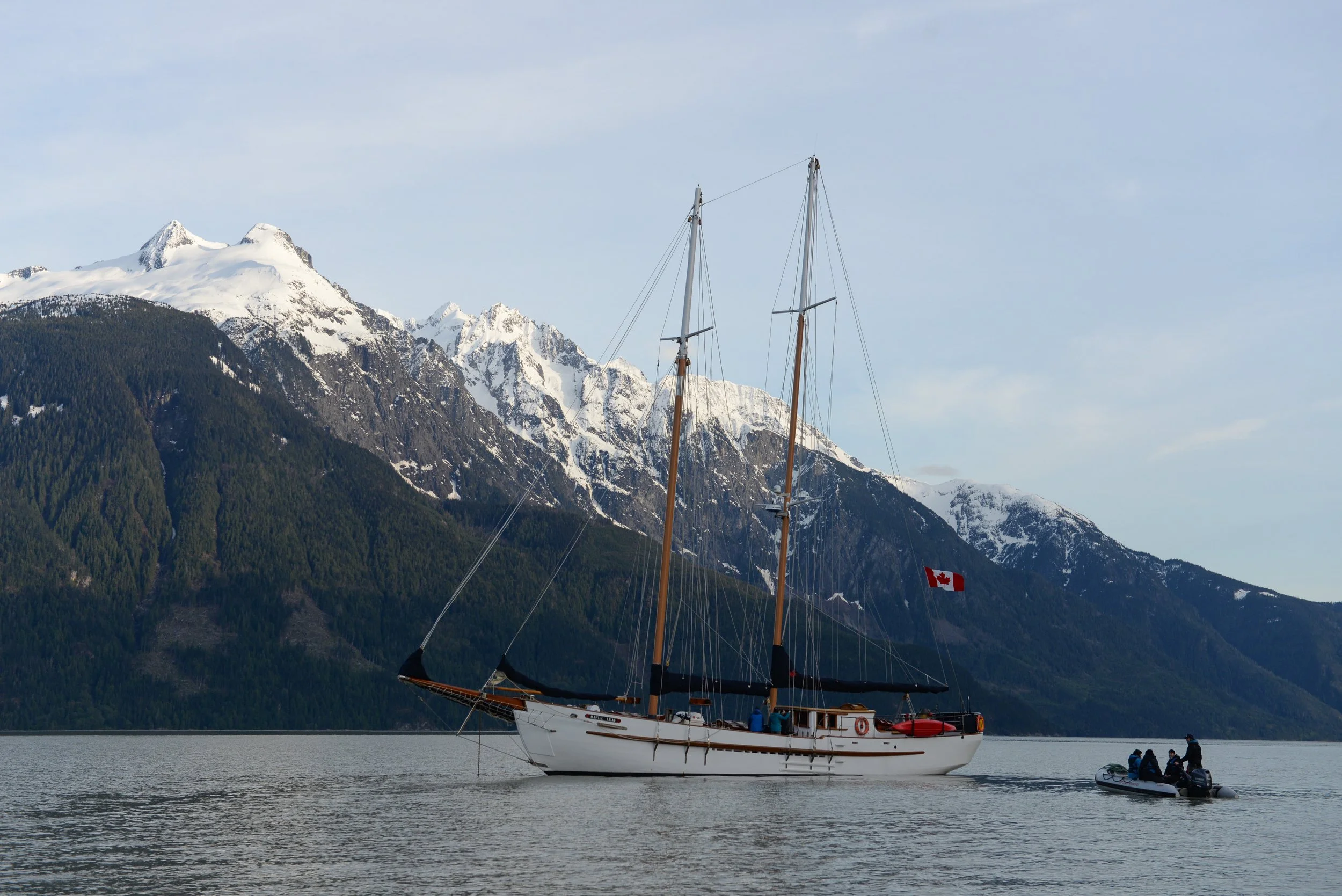
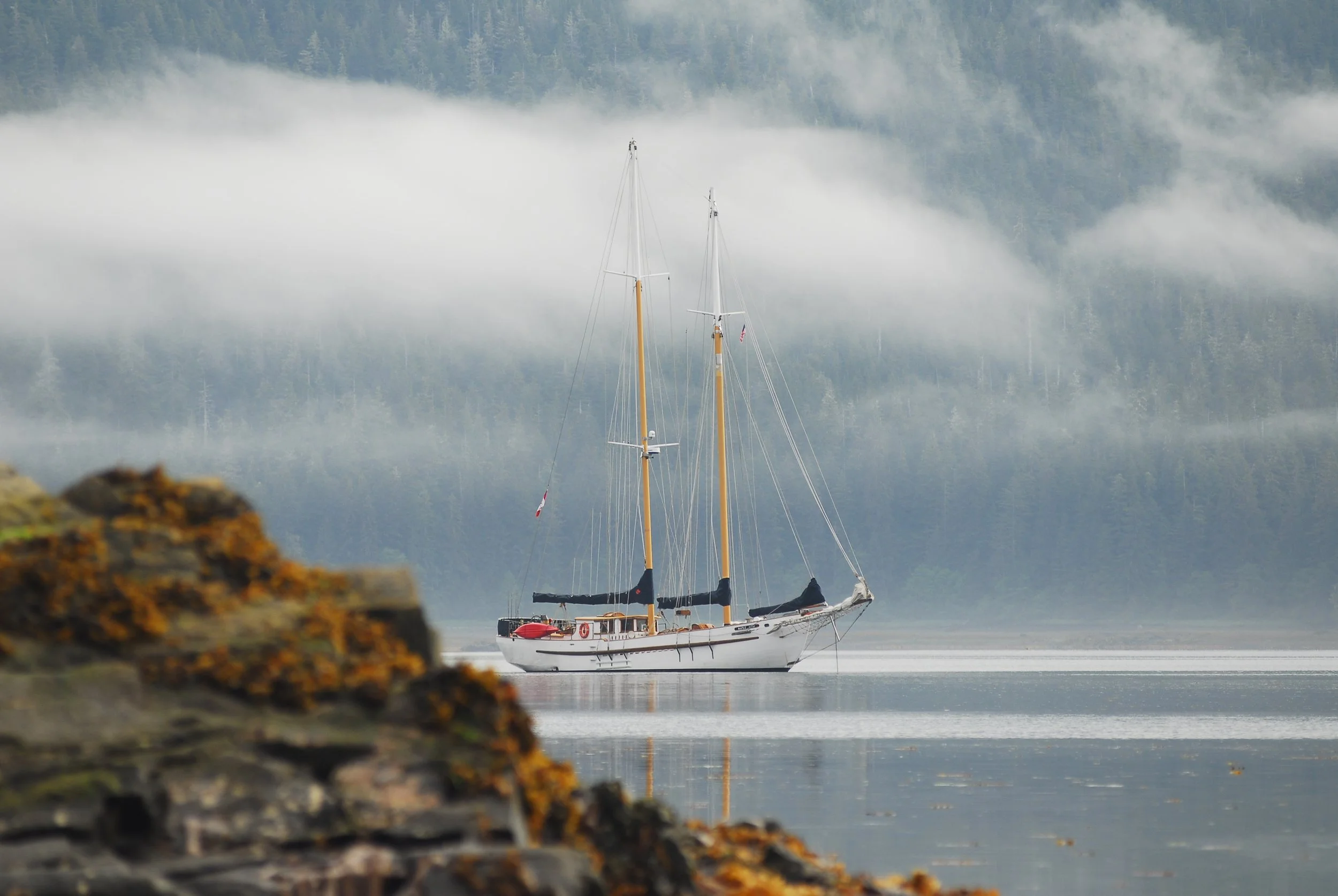
Spirit of the West Adventures
The Project
The Wilderness Tourism Association (WTA) and members of the Small Ship Tour Operators Association (SSTOA) have partnered to develop a citizen science program that advances our understanding of ocean acidification and hypoxia (OAH) in BC's coastal waters.
This large-scale, industry-led initiative harnesses the sea-going capacity, geographic reach, and seasonal operations of British Columbia's small-ship marine tourism industry. Working throughout the Northern Shelf Bioregion, participating tourism vessels collect ocean data from coastal areas where observations of ocean acidification, hypoxia, and other oceanographic conditions are currently limited.
By monitoring these understudied regions, the project is improving our understanding of how changing ocean chemistry is affecting, and is expected to affect, coastal ecosystems, fisheries, and the communities that depend on them.
The project also connects visitors directly to ocean science. It raises awareness of this growing challenge, invites guests to participate in stewardship of the waters they visit, and collects scientific data using sensors deployed and monitored from vessels along their existing tour routes. With support from the Tula Foundation and the Province of British Columbia through the Climate Ready BC Seafood (CRBS) Program, the project is helping build the knowledge needed to better understand and respond to the effects of climate change in BC's coastal waters.

What Is the Goal?
The project aims to improve scientific understanding of ocean acidification and hypoxia along BC's coast by expanding the amount of high-quality data available from remote marine environments.
Over time, this information may help researchers identify hotspots, where ocean acidification and low oxygen conditions are particularly severe, as well as refugia: areas that remain more resilient and could provide important habitat for marine species as ocean conditions continue to change.
Hotspot:
A hotspot is a specific geographic region or water column where the negative impacts of climate change, specifically the interconnected threats of OAH, are drastically amplified. These hotspots may face a high risk of ecological damage.
Refugia:
A refugium is a isolated geographic area or microhabitat where a population, species, or community has survived environmental instabilities over long periods of time.
How Does It Work?
Participating tourism vessels deploy ocean sensors during overnight anchorages throughout the tourism season. Left in the water for approximately 6–8 hours, the sensors capture changes in seawater chemistry over one or more tidal cycles, providing a detailed snapshot of local ocean conditions.
Each sensor package measures several key environmental conditions, including dissolved oxygen, temperature, conductivity (used to infer salinity), and pressure (used to infer depth). Data collected by the sensors are transmitted wirelessly to an onboard data hub, allowing researchers and vessel crews to visualize and monitor conditions during deployment.
Deployments take place at overnight anchorages using benthic deployments, meaning the sensors are positioned near the seafloor to capture the full range of oceanographic conditions experienced throughout a tidal cycle. This provides valuable information about the coastal environments where ocean acidification and hypoxia can have significant ecological impacts.
Because participating vessels travel extensively throughout BC's coast and revisit many of the same locations from spring through fall, the project is able to collect data across a broad geographic area while also building a record of how conditions change over time. This combination of wide geographic coverage and repeated sampling provides a much more complete picture of changing ocean conditions than would otherwise be possible.
What have we learned?
Sensors collected 1,072 individual data points, demonstrating that Small Ship Tour Operators Association (SSTOA) vessels can successfully gather valuable nearshore oceanographic data across a broad geographic area.
Early observations reveal a fascinating degree of spatial variation in ocean conditions, highlighting how ocean acidification and hypoxia can differ significantly between locations. While further analysis is needed, these patterns may help researchers better understand the factors that influence local ocean chemistry.
The project has also highlighted the importance of long-term sensor calibration, data management, and collaboration, as well as the time and coordination required for permitting and stakeholder engagement.
See the data represented below.
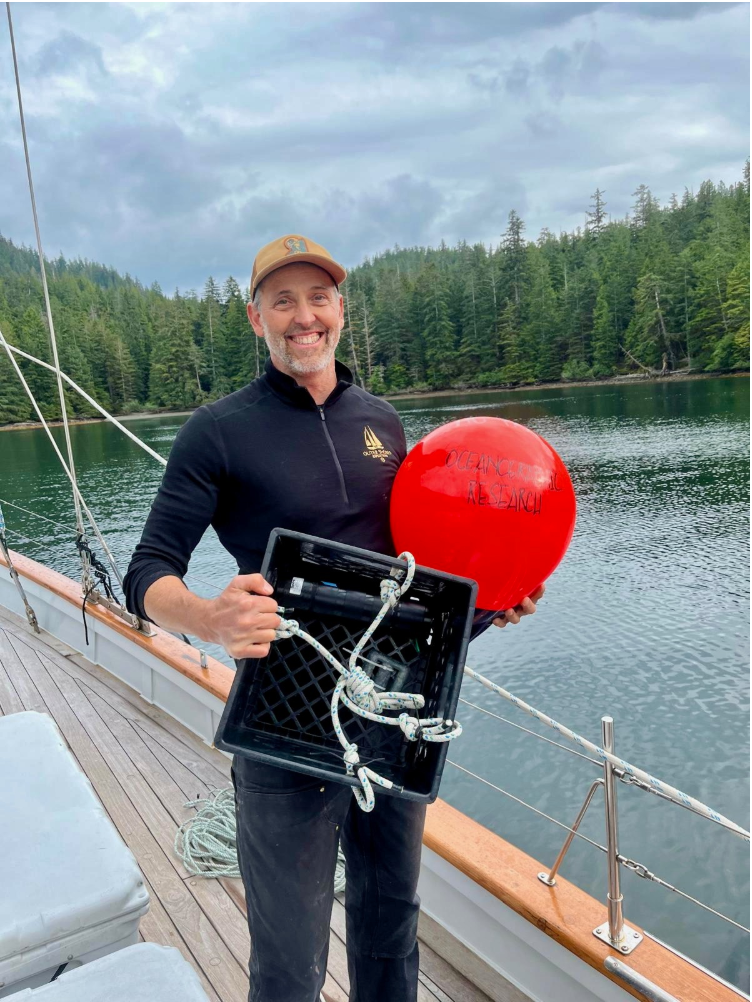
Dr. Russell Markel, owner/operator of Outer Shores, pictured here with one of the ocean sensors. Markel leads the OAH monitoring project and is a founding member of the SSTOA.
What's Next?
As the project continues, partners will refine sensor technology, including improvements to battery life, calibration, and deployment protocols. Future plans include expanding data collection to additional sites, regions, and tourism operators, increasing education and engagement opportunities for guests and crew, and exploring the use of additional monitoring technologies, such as underwater cameras and other environmental sensors.
BC Has a Provincial Strategy for Ocean Acidification and Hypoxia
British Columbia has developed an Ocean Acidification and Hypoxia (OAH) Action Plan to coordinate research, monitoring, and action in response to changing ocean conditions.
The strategy focuses on improving our understanding of ocean acidification and hypoxia, supporting scientific monitoring and collaboration, and helping communities adapt to their impacts. Because ocean acidification can make it more difficult for shell-building organisms, including oysters, clams, mussels, and some plankton, to build and maintain their shells and skeletons, the plan places particular emphasis on fisheries and aquaculture.
At the same time, it recognizes that the effects of OAH extend far beyond the seafood sector, with implications for marine ecosystems, coastal communities, Indigenous stewardship, and the many industries and livelihoods that depend on healthy oceans.
What is the Climate Ready BC Seafood (CRBS) Program?
The Climate Ready BC Seafood (CRBS) Program is a provincial initiative funded by BC’s Ministry of Agriculture and Food and administered by the Tula Foundation to help coastal communities, marine industries, and ecosystems adapt to the impacts of ocean acidification and hypoxia (low oxygen levels). Through a $1.7 million investment, the program supports research, scientific monitoring, collaboration, and practical solutions that improve the resilience of BC’s fisheries, aquaculture sector, coastal economies, and food security. CRBS-funded projects advance scientific understanding of ocean change, support knowledge sharing and public awareness, explore adaptation and mitigation strategies, and evaluate emerging approaches to marine carbon removal. The SSTOA and WTA citizen science project is one example, engaging tourists directly in the collection of ocean data that helps researchers better understand changing ocean conditions and inform future solutions.
The Climate Ready BC Seafood Program Documentary
This short documentary highlights some of the 11 projects funded by a $2M funding envelope provided by the Province of British Columbia to create the Climate Ready BC Seafood Program. Learn more about how these groups are working to further our understand the impacts of ocean acidification and hypoxia in BC to provide knowledge for mitigation and adaptation that supports enhancing the resiliency of BC's seafood.
Hear Dr. Russel Markel, leader of this project and founder of SSTOA member Outer Shores, speak about the sensor program at 7:20.
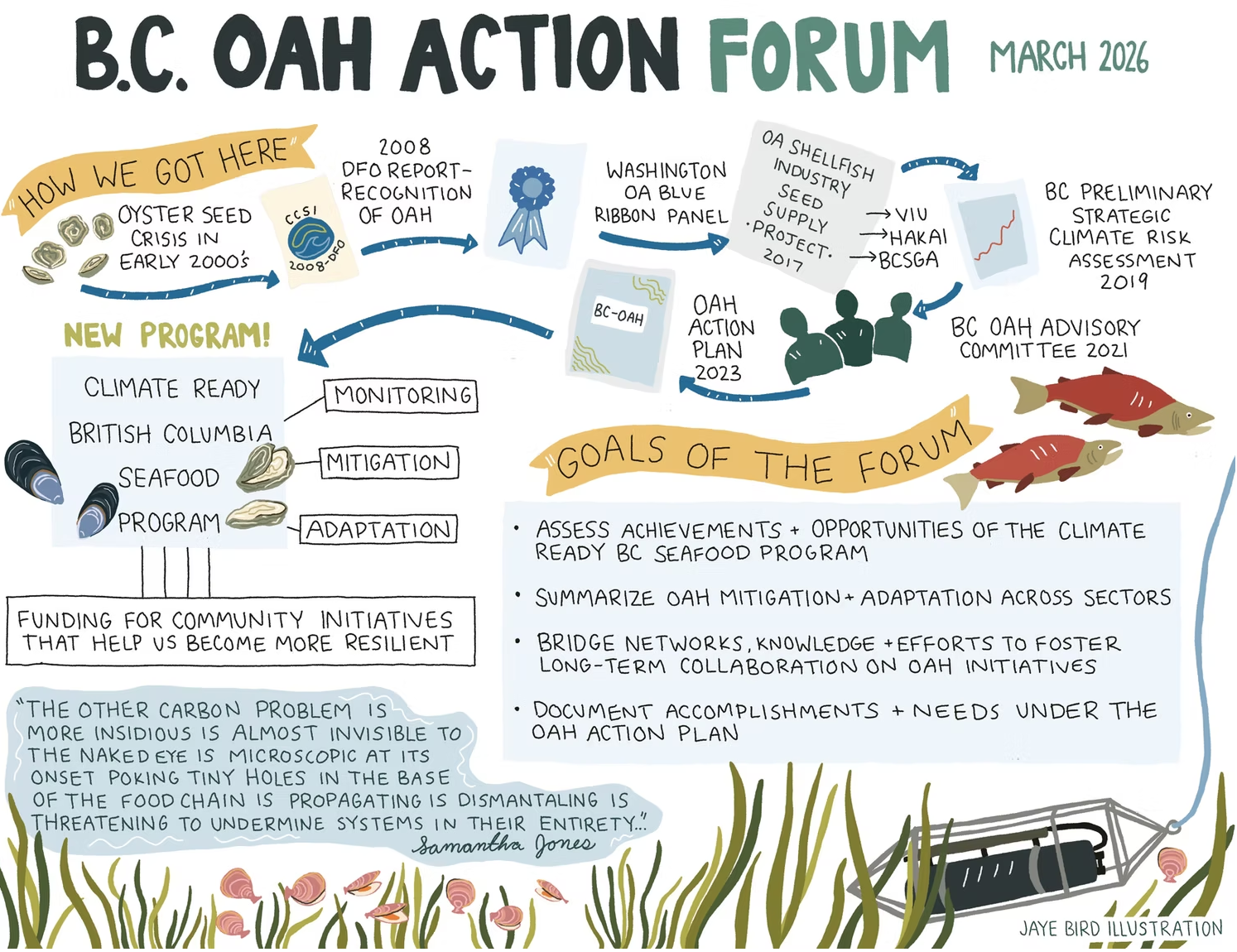
The BC OAH ACTION FORUM
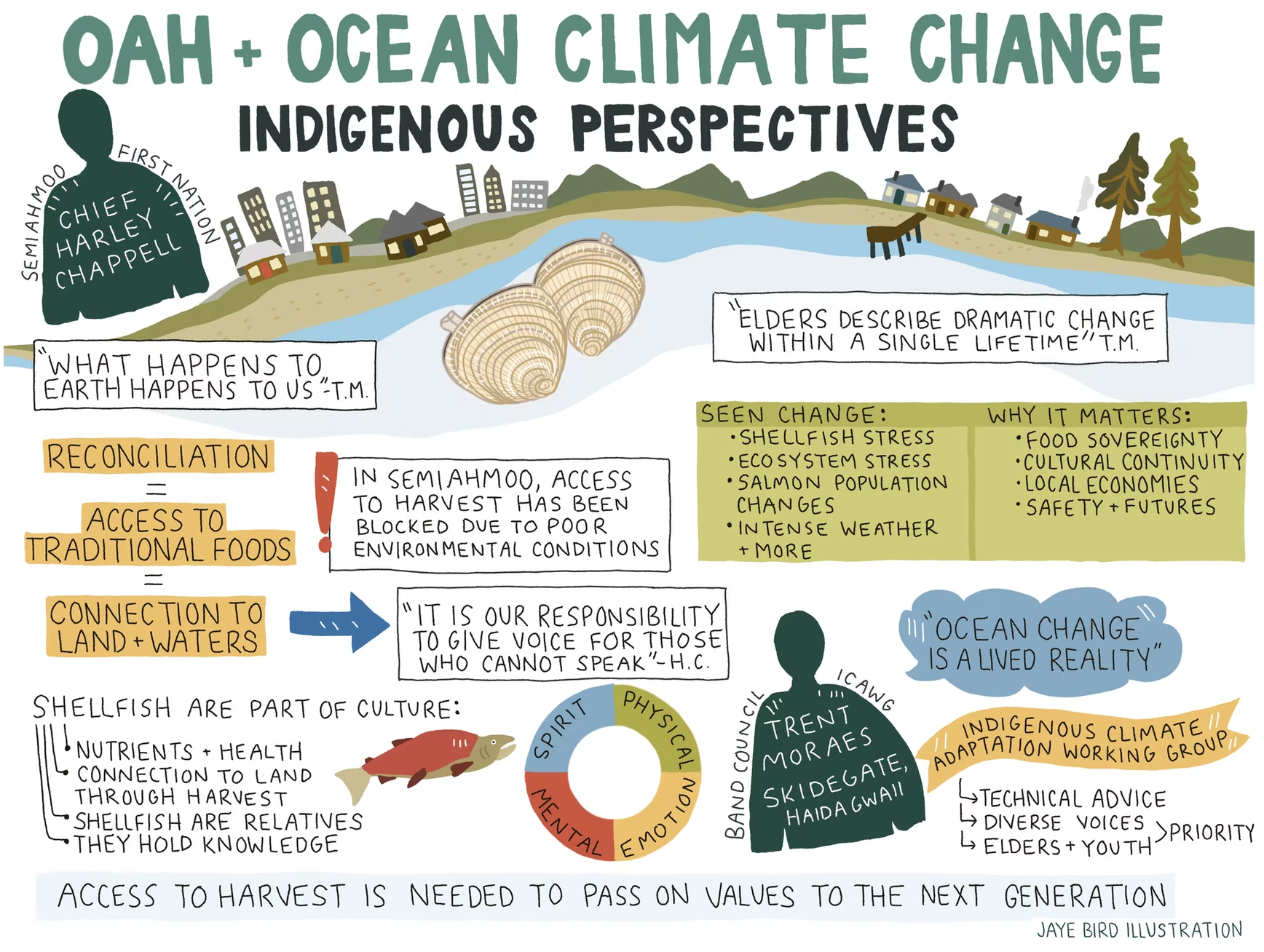
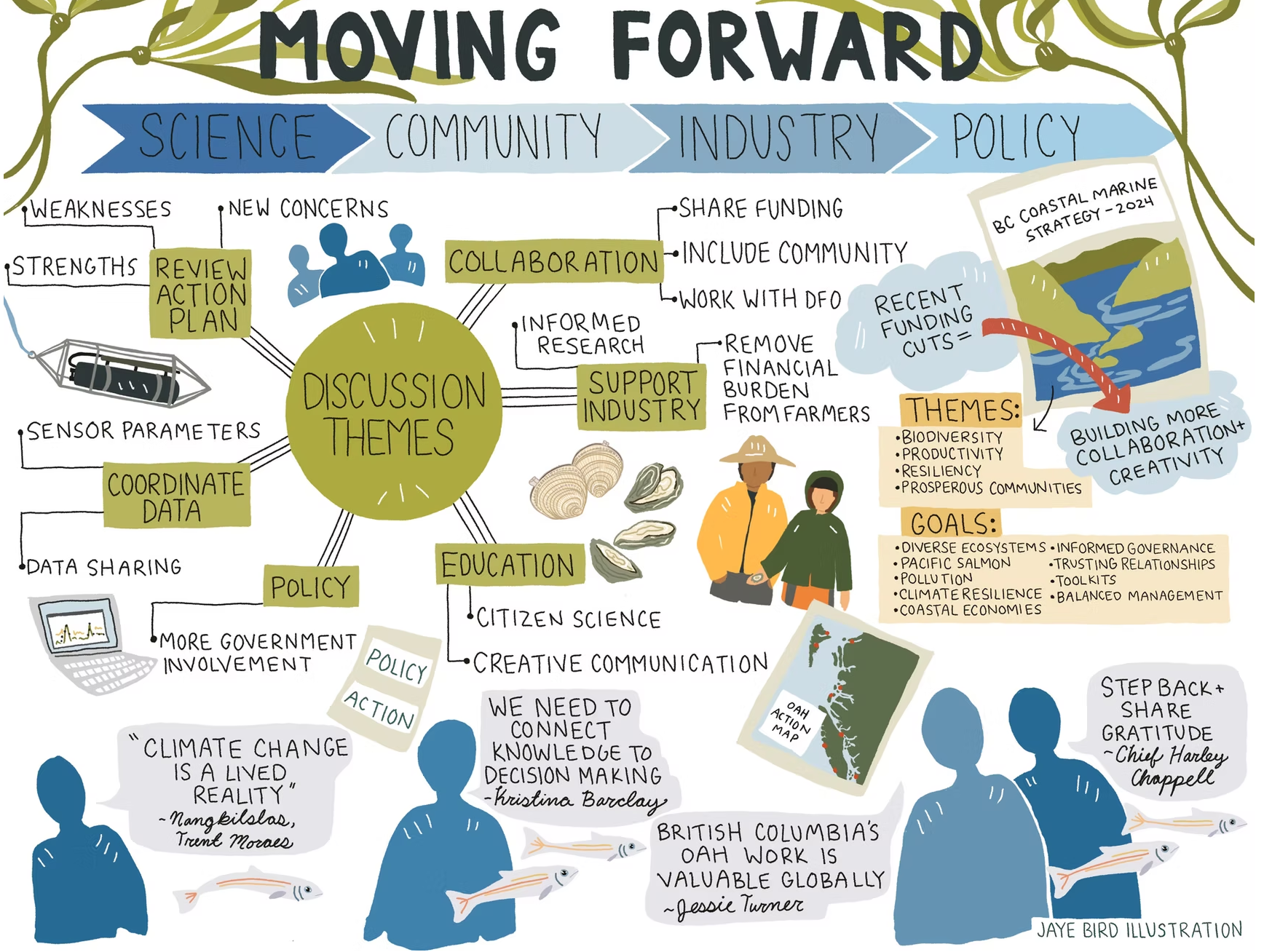
As the CRBS grant projects come to a close, the BC OAH Action Forum, hosted by the Tula Foundation, brought together scientists, Indigenous Nations, government representatives, industry, and community organizations.
The forum provided an opportunity to share progress, exchange knowledge, and discuss priorities for the next phase of BC's response to ocean acidification and hypoxia. Conversations focused on strengthening collaboration, advancing research and monitoring, and supporting actions to help protect marine ecosystems, coastal communities, and the industries that depend on healthy oceans.
See the forum outputs below.
Spirit of the West Adventures
-
![]()
Graphic Summaries by Jaye Bird Illustrations, for BC OAH Forum, 2026
-
![]()
Graphic Summaries by Jaye Bird Illustrations, for BC OAH Forum, 2026
-
![]()
Graphic Summaries by Jaye Bird Illustrations, for BC OAH Forum, 2026
-
![]()
Graphic Summaries by Jaye Bird Illustrations, for BC OAH Forum, 2026
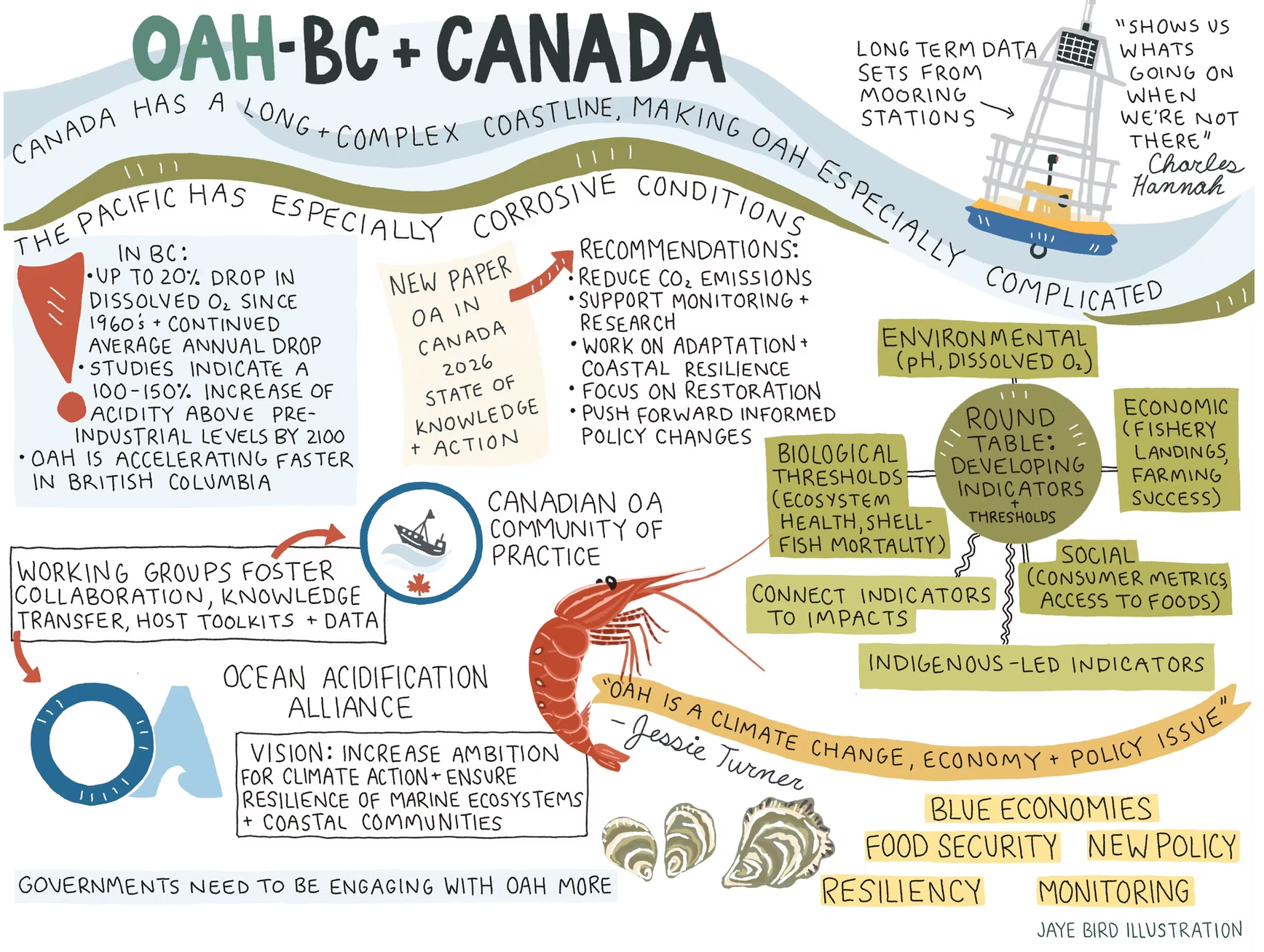

See the rest of the graphic summaries, and more forum outputs and resources at: